
Circulaya
We are the project consortium behind BioReCer, an EU-funded Horizon Europe innovation action led by CETAQUA and coordinated with support from nova-Institut GmbH. In our final multi‑stakeholder meeting we presented the project’s key achievements: a comprehensive sustainability and circularity framework for biological feedstocks, a practical guideline to integrate that framework into existing certification schemes, a socio‑economic analysis on certification uptake, and a working, mobile‑first ICT application — the BioReCer IC Tool (the „BIT“) — that supports traceability, self‑assessment and digital product passports. This article summarizes our results, the evidence that emerged from stakeholder dialogues and experiments, and the feedback we received from certification bodies, industry and consumer representatives.
Why BioReCer: the problem we set out to solve
Europe has large quantities of biomass and secondary raw materials that remain under‑utilized. These biological resources — sewage sludge, agro‑waste, fruit residues, forest sub‑products and industrial organic by‑products — can be valuable inputs for circular bioeconomy value chains. Yet the full potential is blocked by fragmented information, limited traceability and insufficient, non‑harmonized assessment methods and indicators. The consequence: buyers, certifiers and consumers struggle to distinguish credible bio‑based products from greenwashing claims. BioReCer was created to address exactly that gap: to strengthen certification schemes, to provide measurable indicators for sustainability and circularity, and to develop digital tools that make traceability and trust practicable.
Project scope and demonstration sites
Over three years the consortium — composed of research centres, universities, private companies, certification bodies and communicators across seven countries — tested the framework and tools in four demonstrative regions. Each case study covers distinct feedstocks and regional value chains:
- Galicia, Spain: sewage sludge and canning industry waste;
- Lombardia, Italy: the organic fraction of municipal solid waste (OFMSW), sewage sludge, agro‑waste and non‑hazardous liquid organic streams;
- Central Macedonia, Greece: fruit processing residues, cereal by‑products and pruning waste;
- Sweden: forest industry sub‑products and derivatives.
These pilots validated the framework across diverse contexts and supported the development of datasets and indicators that are relevant and operational for different sectors.
The BioReCer assessment framework: what it covers
The BioReCer framework is a multi‑dimensional assessment and traceability model designed for biological feedstocks. It combines three pillars — environmental, socio‑economic and circularity — and translates them into a structured set of principles, criteria and requirements. In total the framework contains 52 requirements categorized into basic (mandatory minimums) and advanced (performance‑raising actions) levels.
The framework is not a stand‑alone label. It is deliberately designed to be integrated with existing certification schemes so they can assess biological feedstocks consistently, with quantitative circularity indicators (mass balances, reuse rates, life‑cycle relevant metrics) as well as governance and organizational criteria.
„Stakeholders — consumers, industry and experts — converged on one clear priority: companies should measure their carbon emissions and have a reduction plan in place.“ — key finding from our socio‑economic study
Key outputs: mapping, indicators and public resources
Deliverables from the project include a pan‑European mapping of biomass flows (what residues exist and where they move), a validated set of circularity indicators, and the integration guidance material for certification schemes. All public deliverables, datasets and the standards mapping are available on Zenodo and on the project website for download and re‑use.
Socio‑economic research that guided our approach
To understand whether changes in certification requirements would be effective and acceptable, Unitelma Sapienza led a multi‑method socio‑economic study:
- Delphi survey (industry & consumers, multi‑round): participants ranked a short list of seven candidate requirements to see where consensus lies. The strongest, convergent priority was the requirement for companies to measure carbon emissions and have an emission‑reduction plan.
- Analytic Hierarchy Process (AHP) with experts: experts validated the Delphi results using pairwise comparisons across criteria like reputation, competitive advantage and responsible innovation. The AHP confirmed the salience of the carbon‑measurement requirement.
- Online consumer experiment (n=400): a 3×3×2 design tested three product types (shampoo, fertilizer and face cream), three product versions (conventional, bioproduct, certified bioproduct) and two certification treatments (ISCC Plus vs RSB). Results showed: bioproducts generated higher willingness‑to‑pay (WTP) than conventional goods; adding a certification further increased WTP and purchase intention; certified products lowered perceived environmental and health risks. No consistent difference was detected between ISCC Plus and RSB in this experiment — the presence of credible certification mattered more than the specific scheme in the consumer sample.
These findings guided the priority features in the BIT and informed the emphasis on carbon disclosure, traceability and consumer‑facing indicators.
Integrating the framework into existing schemes: practical guidance
Meo Carbon Solutions led the benchmarking of more than 10 existing certification schemes (including ISCC, RSB, FSC and MSC) against the BioReCer requirements. The result is a practical guidance document composed of three components aimed at different users:
- Integration guideline — step‑by‑step advice for a certification scheme to benchmark its current standard against the BioReCer requirements and choose an integration strategy;
- Verification guidance — detailed descriptions of each requirement, the associated circularity indicators, calculation approaches and suggested evidence for auditors to look for;
- Audit checklist — an auditor‑ready tool to record findings and verify conformance to basic and advanced requirements during field audits.
Schemes can select one of two integration approaches: add‑on (use BioReCer as a supplementary module) or add‑in (incorporate BioReCer requirements into core standards). Integration requires updating standards, reporting templates and audit procedures, and training auditors and certifying bodies. Pilot assessments with ISCC Plus and real companies in wastewater and agricultural sectors informed the guidance and confirmed feasibility for many requirements.
The BioReCer IC Tool (BIT): live, mobile‑first, and practical
EGM developed the BIT as a secure, mobile‑first web application designed for three main audiences — producers and companies, certification bodies, and curious citizens/consumers. The platform is underpinned by a modern data infrastructure (NGSI‑LD context broker) for real‑time updates, but the front‑end is deliberately simple and task‑oriented.
The BIT contains three flagship modules:
- BitAdvisor (self‑assessment) — a guided questionnaire based on the BioReCer basic and advanced requirements. Companies answer yes/no/not‑applicable prompts and receive scores for environmental, social and economic pillars, plus sector averages for benchmarking. Recommendations and required evidence are displayed per answered item.
- Product explorer & digital product passport — interactive supply‑chain trees and timelines let users trace a product batch from origin to end‑use. Each product passport can contain QR codes, calculated circularity indicators (mass balance, transport CO2 estimates), certificates, and status updates.
- Certifications & standards module — searchable database of certification schemes and standards, plus a directory of companies that have self‑assessed and indicated they are open to audit. This facilitates connections between certification bodies and companies.
Additional technical features: the BIT supports automated updates via APIs, IoT sensor feeds or periodic Excel imports; default privacy settings keep data private until a user chooses to publish; an administrative interface allows creation of use cases and archetypes; and QR codes and mass balance visualisations enable practical, on‑the‑ground traceability. Current limitation: document upload (for supporting evidence and certificates) is not yet implemented and was raised as a priority for the next development phase.
What we heard in the expert roundtable: strengths, barriers and next steps
Our roundtable gathered voices from certification bodies (Din Certco), industry (Braskem), environmental agencies (Environment Agency Austria), consumer organizations (EEKE), and standard‑support bodies (ISEAL). Key points:
- Strengths
- Centralised access to certification info and chain of custody — experts valued one searchable place for certification and traceability;
- Pre‑assessment support for companies — the BitAdvisor helps firms self‑screen readiness before costly audits;
- Digital product passport readiness — regulators are moving in this direction and the BIT aligns with emerging EU policy on product information;
- User‑friendly interface and automation — automated data sources reduce reporting burden and support scalability.
- Barriers & challenges
- Data sharing reluctance — companies may be hesitant to reveal supply chains or batch details for commercial reasons;
- Evidence and verification — experts and certifiers requested the ability to upload and verify certificates and support documents to reduce fraud or misreporting;
- LCA and methodology transparency — environmental agencies asked for a clear handbook explaining how CO2 and footprint estimates are calculated, how allocation between co‑products is handled, and system boundaries used;
- Multiplicity of schemes and scheme credibility — stakeholders recommended adding a credibility/benchmark layer so users can understand differences between schemes and which schemes are suitable for particular feedstocks;
- Digital accessibility and consumer comprehension — consumer representatives urged simplified labels/ratings and awareness campaigns to avoid adding confusion to a crowded label landscape.
Recommendations coming out of the meeting
To maximise adoption and impact, we propose the following priorities for the next phase (and for scheme owners, certifiers and policy makers):
- Enable document upload and audit linkage — allow certificates, audit reports and supporting evidence to be attached and verified by certifiers in the BIT.
- Publish a transparent methodology handbook — clearly document LCA assumptions, allocation rules, emission factors and calculation steps used for the indicators so users (including policy makers) can interpret values correctly.
- Add a scheme‑credibility layer — integrate existing benchmarking frameworks (e.g. ISEAL‑informed criteria) so users can compare the trustworthiness and scope of different certification schemes.
- Offer technical support and training — provide onboarding for SMEs and certification bodies, plus a helpdesk to ease early adoption.
- Promote interoperability — continue building API‑first connectors so the BIT can exchange data with other registries, supply‑chain platforms and forthcoming EU digital product passport systems.
- Engage in outreach & policy alignment — collaborate with national agencies, Nova Institute networks and EU projects to align timelines and avoid overburdening SMEs as new EU regulations roll out.
Where to find resources and how you can get involved
All public reports, datasets and the standards mapping are available on our project pages and the BioReCer Zenodo repository. If you work in a bio‑based value chain, consider:
- Trying the BioReCer IC Tool: register your organisation, complete the BitAdvisor self‑assessment and create a use case to experiment with a product passport;
- Joining pilot audits: certification bodies can collaborate on trials that test document upload, audit checklists and the verification guidance;
- Attending our final event (Santiago de Compostela, October): a focused on‑site workshop to discuss Trust, Traceability and Certification and to exhibit project outcomes; industry stakeholders from our case studies are especially invited;
- Sharing feedback: the tool is a work in progress — your practical feedback will shape next iterations.
Concluding thoughts
BioReCer demonstrates that pragmatic, evidence‑based improvements to certification (clear requirements, measurable indicators and integrated digital tools) can materially increase trust in bio‑based products. Our socio‑economic work shows that consumers reward certified bio‑based goods through higher willingness to pay and lower perceived risk. Our integration guidance proves that certification schemes can absorb BioReCer requirements either as add‑on modules or through mainstream revision. And the BIT shows a practical path to operationalise traceability and transparency across complex value chains.
We close by inviting stakeholders — standards bodies, certifiers, companies, auditors, policymakers and consumers — to use the resources, test the tool and help shape the next generation of certification and digital traceability for a credible, circular bioeconomy.
Project resources: visit https://biorecer.eu and the BioReCer Zenodo community for deliverables, datasets and the practical guidance document.
Editor’s choice:
| Company name, country | Xampla ltd., UK |
| EU project | n.a. |
| Rawmaterial/basis | Plant-based polymers |
| Brandname | Morro |
| Biobased | YES |
| Fossil based free | YES |
| Application | Coatings, edible films, soluble films, microcapsules for food/cosmetics Sustainability screening: biodegradable, home compostable, recyclable |
| Patent | YES |
| What is unique abaout it? | World’s first plastic-free materials that are completely biodegradable, home compostable and recyclable. Made from natural plant polymers. |
What is the status of the product? | Comercially available products |
Published on: April 24, 2025, Channel: ThePackHub
Speaker: Sam Walker
Sam Walker is the Head of Business Development and Sales at Xampla, a pioneering company focused on sustainable packaging solutions. With over ten years of experience in the field, Sam has been instrumental in driving innovation in materials that replace conventional plastics with plant-based alternatives.
Summary
This webinar dives deep into the complexities of plastic-free packaging, highlighting the importance of avoiding greenwashing, staying ahead of legislation, and overcoming barriers to adopting new materials. With insights from industry experts Sam Walker and Mark Rodriguez Garcia, the session provides practical advice for companies looking to navigate the evolving landscape of sustainable packaging.
FAQs Addressed in the Video
- What are the key themes of the video?
- What new information does this video provide compared to existing content on the topic?
- What makes this video unique or what perspective does it offer?
- How can viewers apply the information shared in the video?
Main Takeaways from the Webinar
Point One: Understanding Plastic-Free Definitions
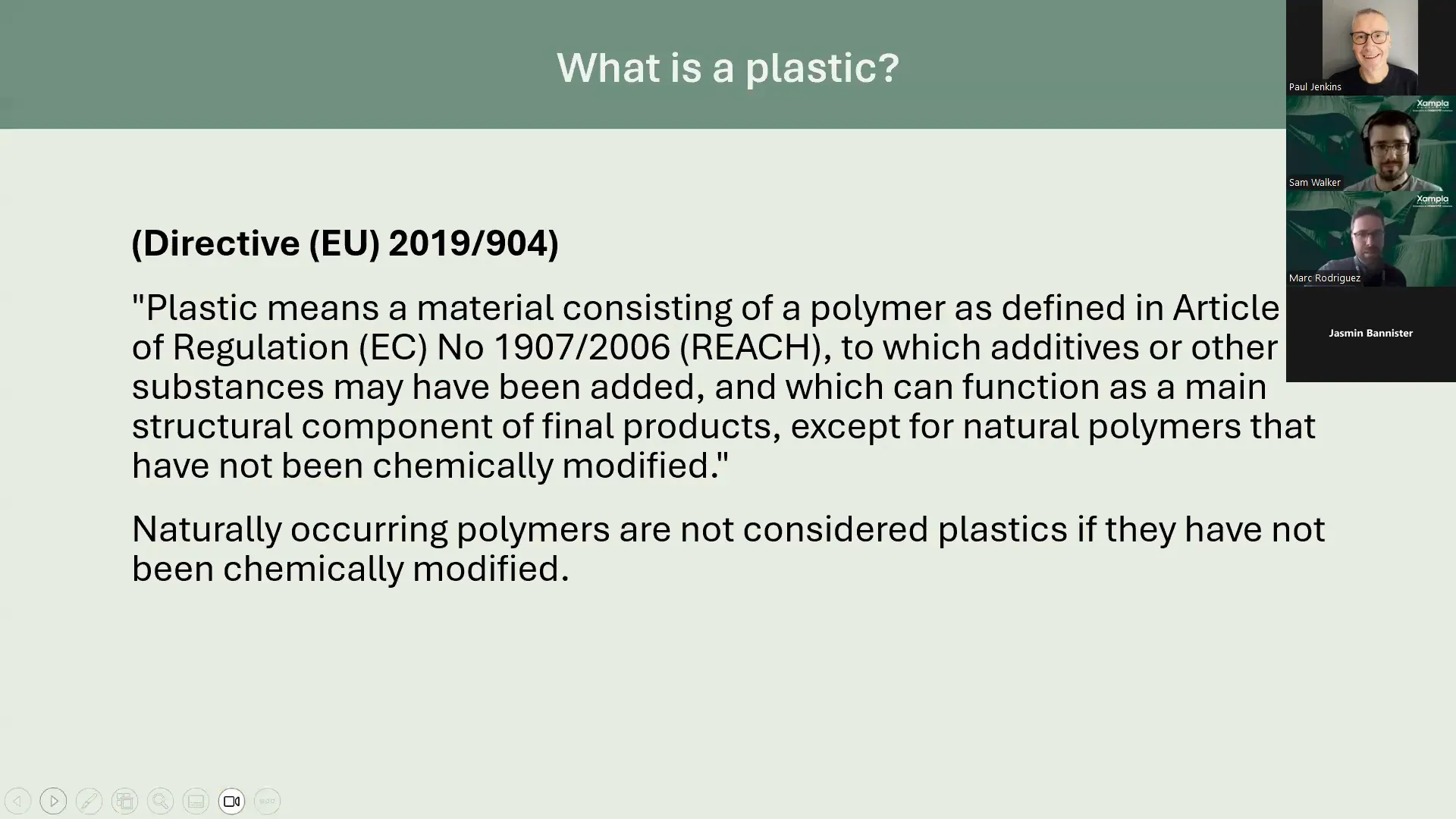
Mark Rodriguez emphasized the challenge of defining what constitutes plastic. According to the European Commission’s Single Use Plastics Directive, any polymer that has been chemically modified is considered plastic. This definition plays a crucial role in identifying suitable alternatives for packaging.
Point Two: The Impact of Consumer Pressure
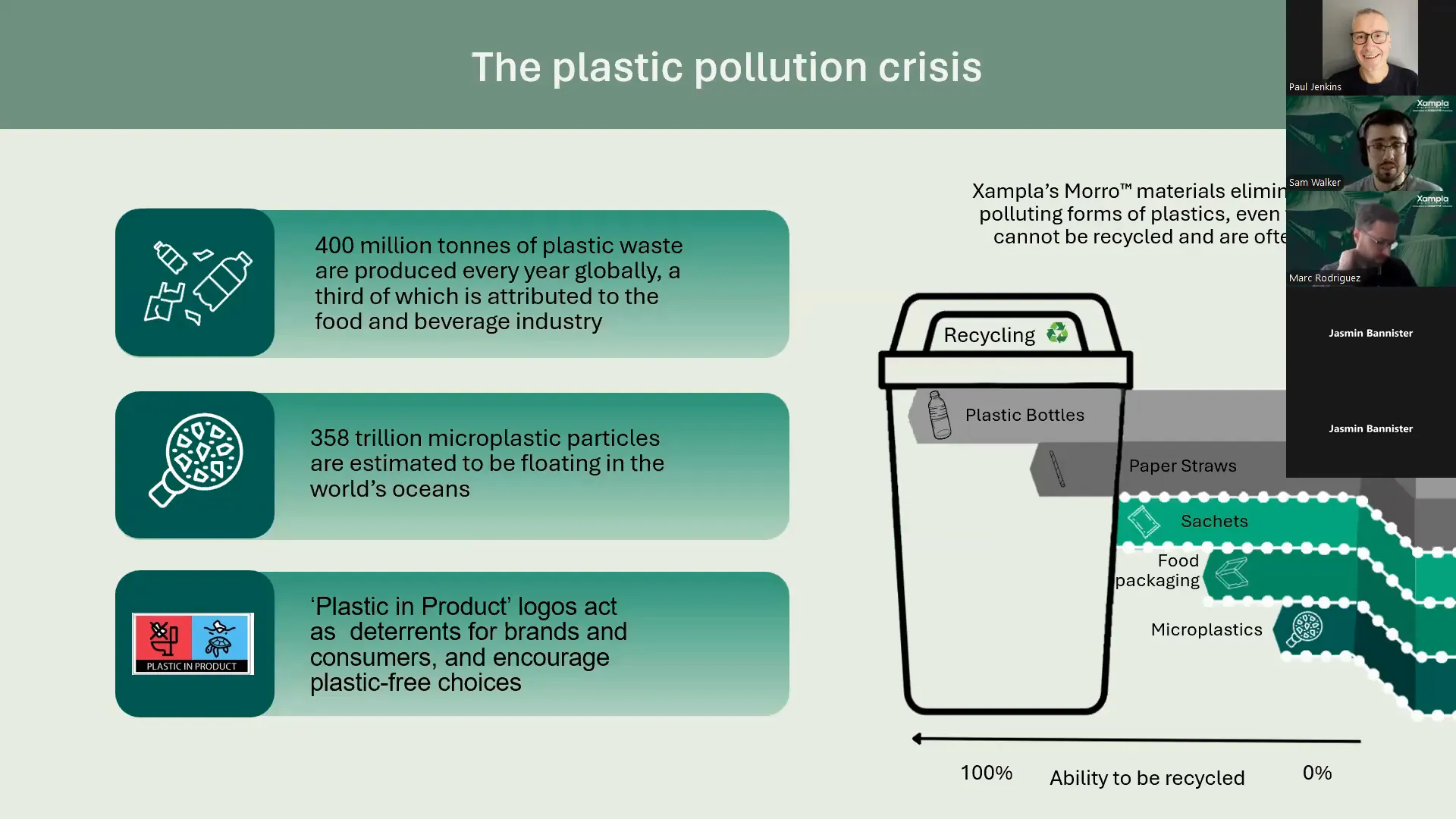
Consumer awareness has dramatically increased, especially regarding microplastics and their environmental impact. This has led to a surge in legislation aimed at curbing plastic usage. The public’s concern is evident, with a recent study indicating that 58% of respondents are most worried about microplastics, compared to just 12% about landfill issues.
Point Three: The Role of Transparency and Innovation
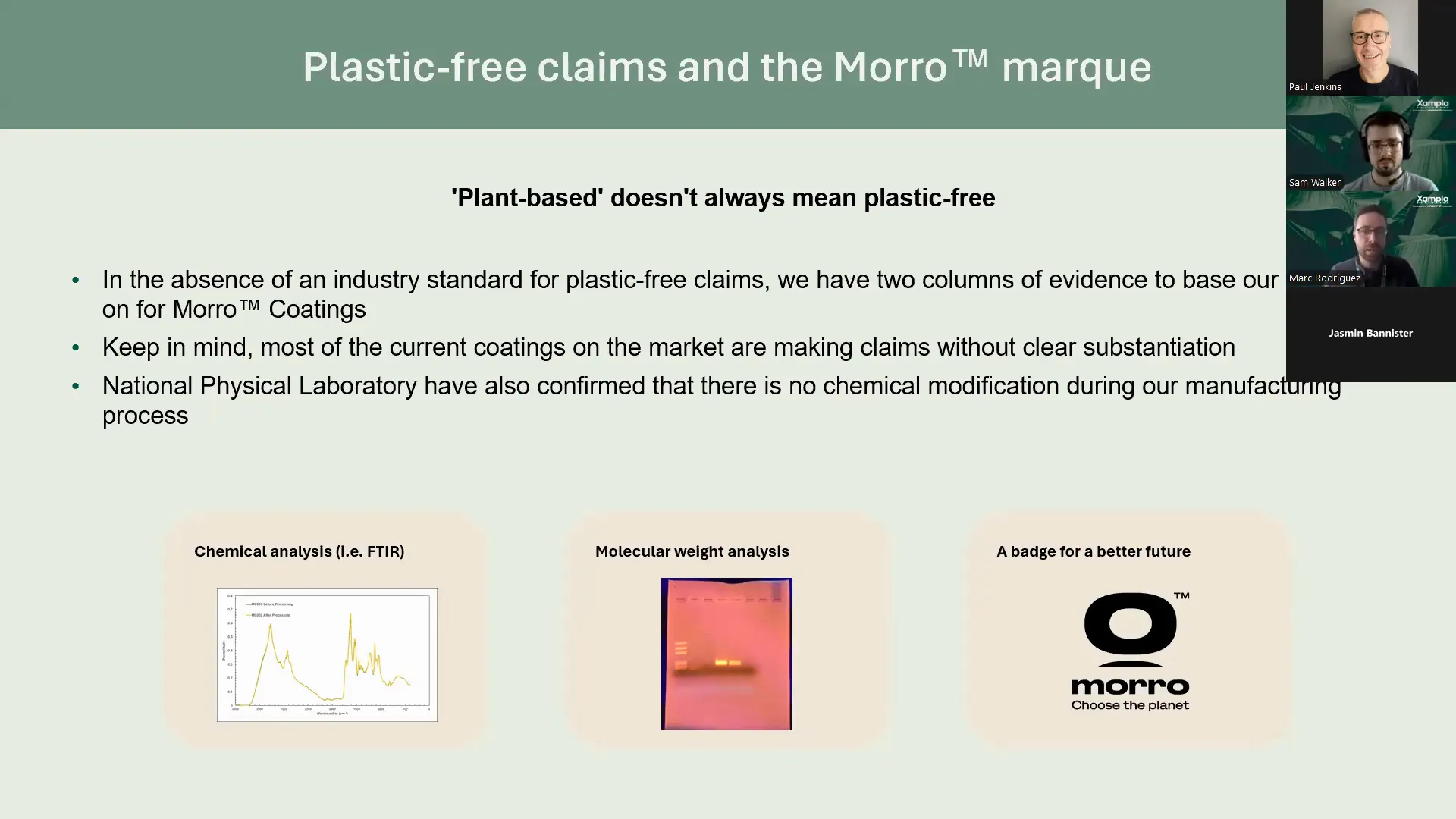
Both speakers highlighted the need for transparency in claims made by companies regarding their packaging. As the industry sees a rise in greenwashing, it’s vital for brands to substantiate their claims with validated data. Zampla’s Moro coating exemplifies a commitment to transparency, using natural polymers that have not been chemically modified.
Key Insights Recap
The video emphasizes the importance of credible claims in the plastic-free packaging sector and offers actionable steps for brands to stay compliant with evolving regulations. With rising consumer awareness and legislative pressures, companies must innovate responsibly to meet the demand for sustainable solutions.
Who Should Watch This Video?
This video is ideal for packaging technologists, sustainability professionals, and brand managers looking to enhance their understanding of plastic-free materials and navigate the complexities of sustainable packaging.
Final Note
Zampla – Learn more about their sustainable packaging solutions.
Ready to dive deeper into sustainable packaging? Watch the full video here: ThePackHub. Don’t forget to share your thoughts in the comments below and subscribe to our blog for more in-depth analyses like this!
This article was created from the video How To Future Proof Your Plastic-Free Packaging with the help of AI.
Introduction to Avantium and PEF
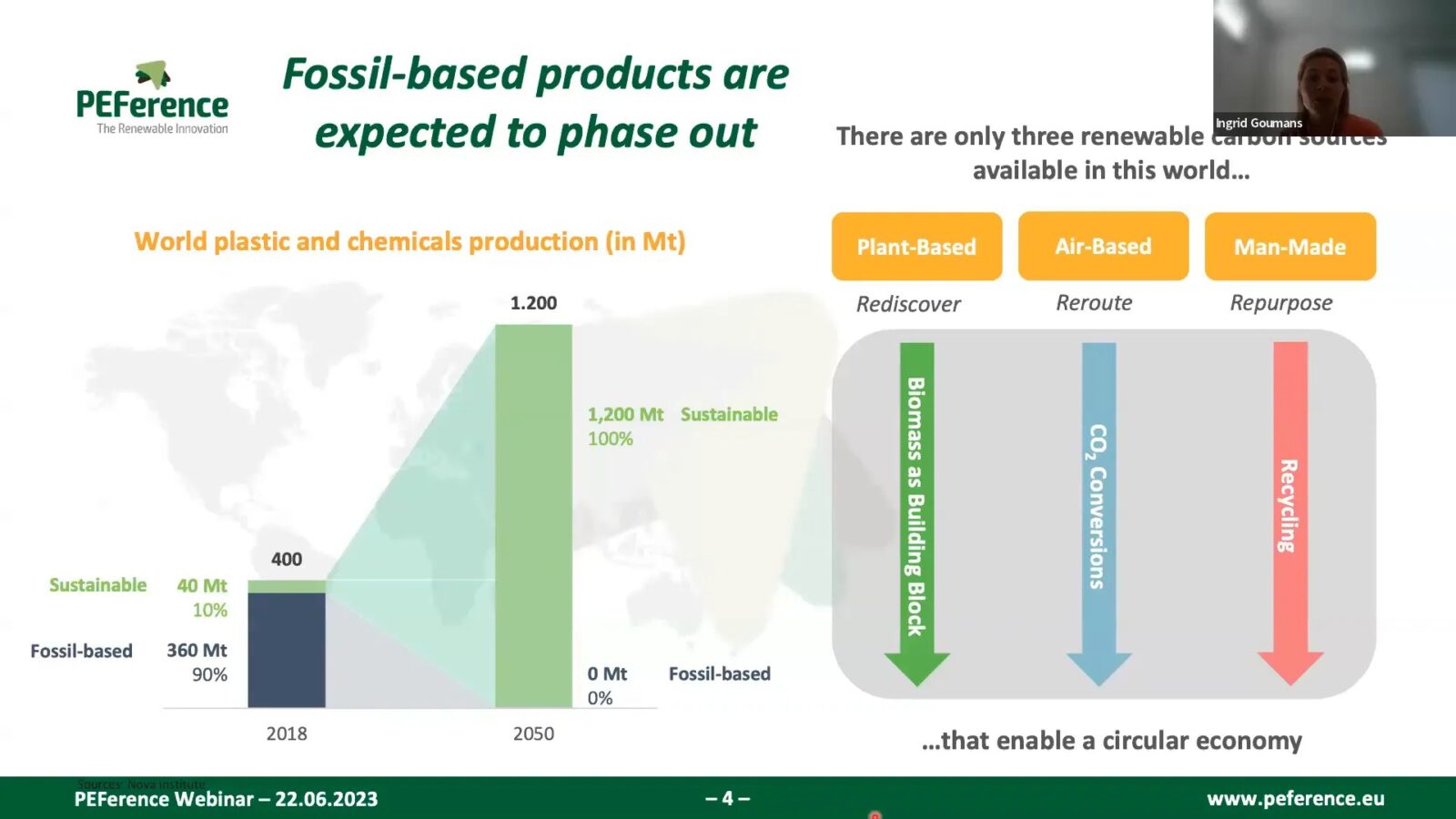
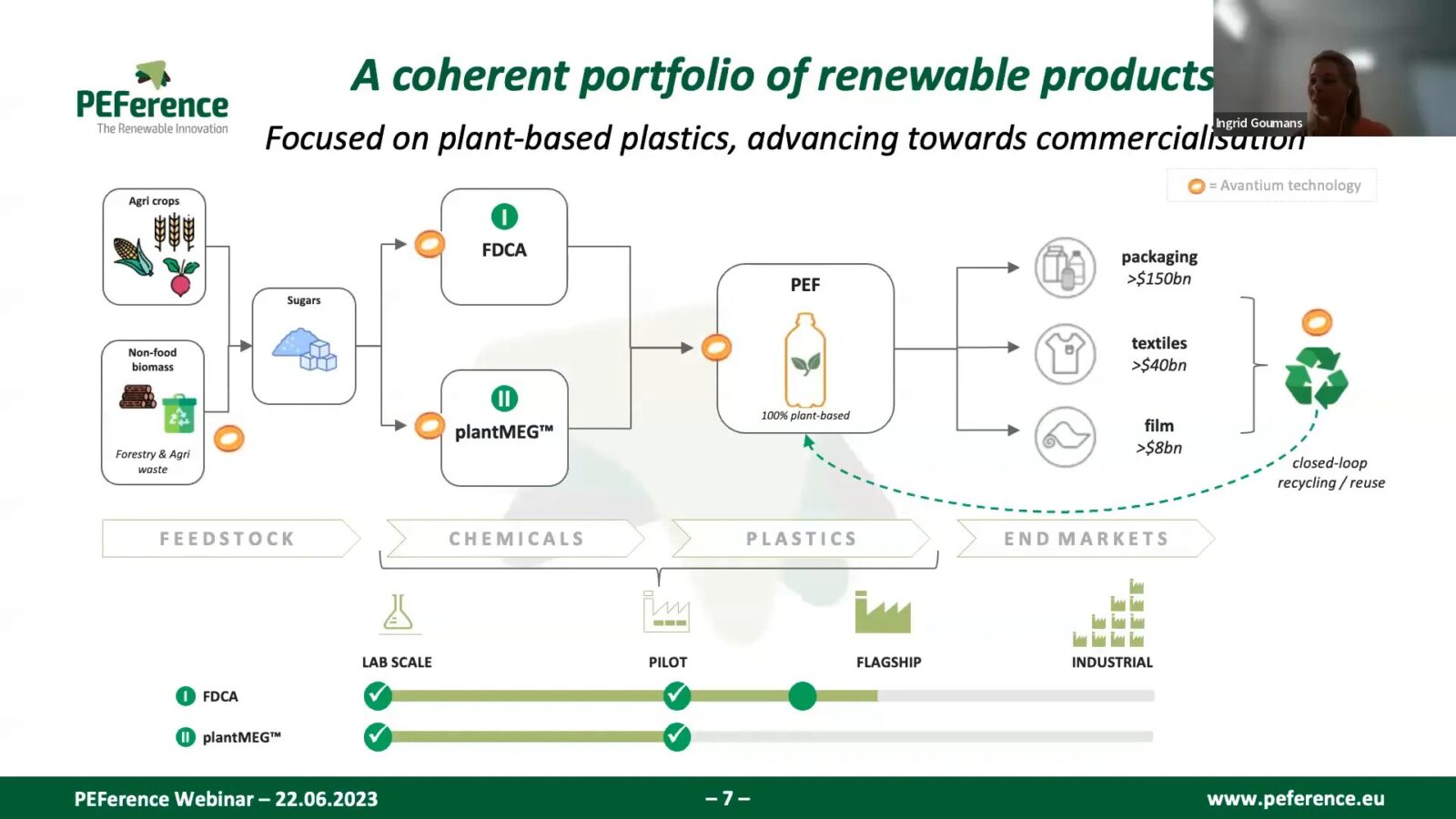
Avantium is a pioneering technology company focused on advancing renewable chemistry. Their mission is to facilitate the transition towards a fossil-free future by developing sustainable materials derived from renewable carbon sources. PEF, produced from plant-based sugars, is one such material that offers promising alternatives to conventional plastics like polyethylene terephthalate (PET).
The production of PEF begins with the conversion of first-generation feedstocks, specifically sugars extracted from crops like wheat. These sugars are transformed into 2,5-furandicarboxylic acid (FDCA), the core building block of PEF. This process not only helps in reducing greenhouse gas emissions but also contributes to a circular economy by enabling recycling.
Understanding the Production Process
The production of PEF involves multiple stages, starting from the sourcing of plant-based feedstocks to the polymerization of FDCA with monoethylene glycol (MEG). While the current technology primarily utilizes first-generation feedstocks, there’s potential for incorporating second-generation feedstocks in the future.
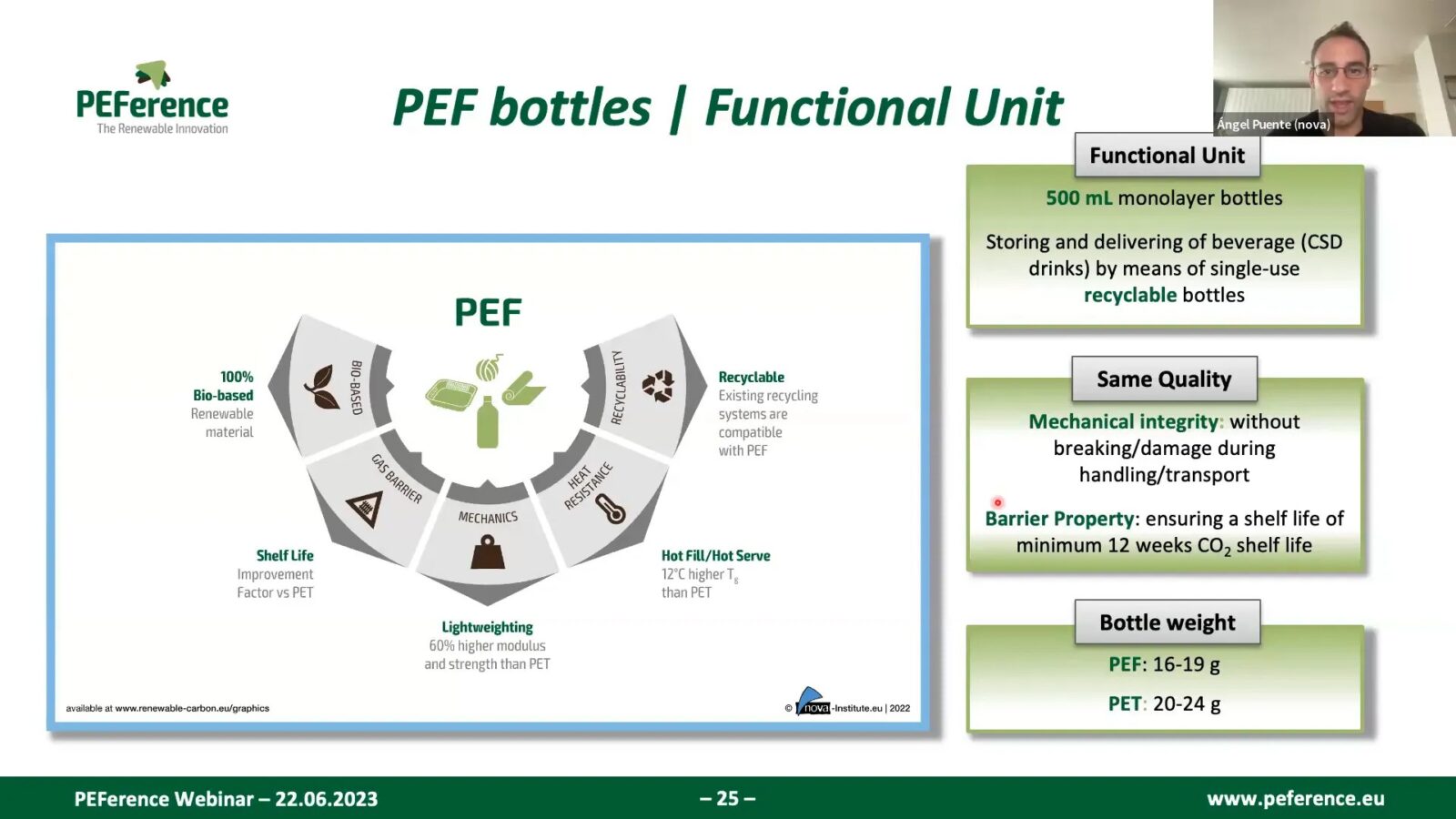
PEF is engineered to have superior properties compared to PET, including enhanced barrier characteristics, which allow for longer shelf lives of products packaged in PEF. Additionally, PEF can be processed using the same equipment as PET, making the transition smoother for manufacturers.
Life Cycle Assessment (LCA) of PEF Bottles
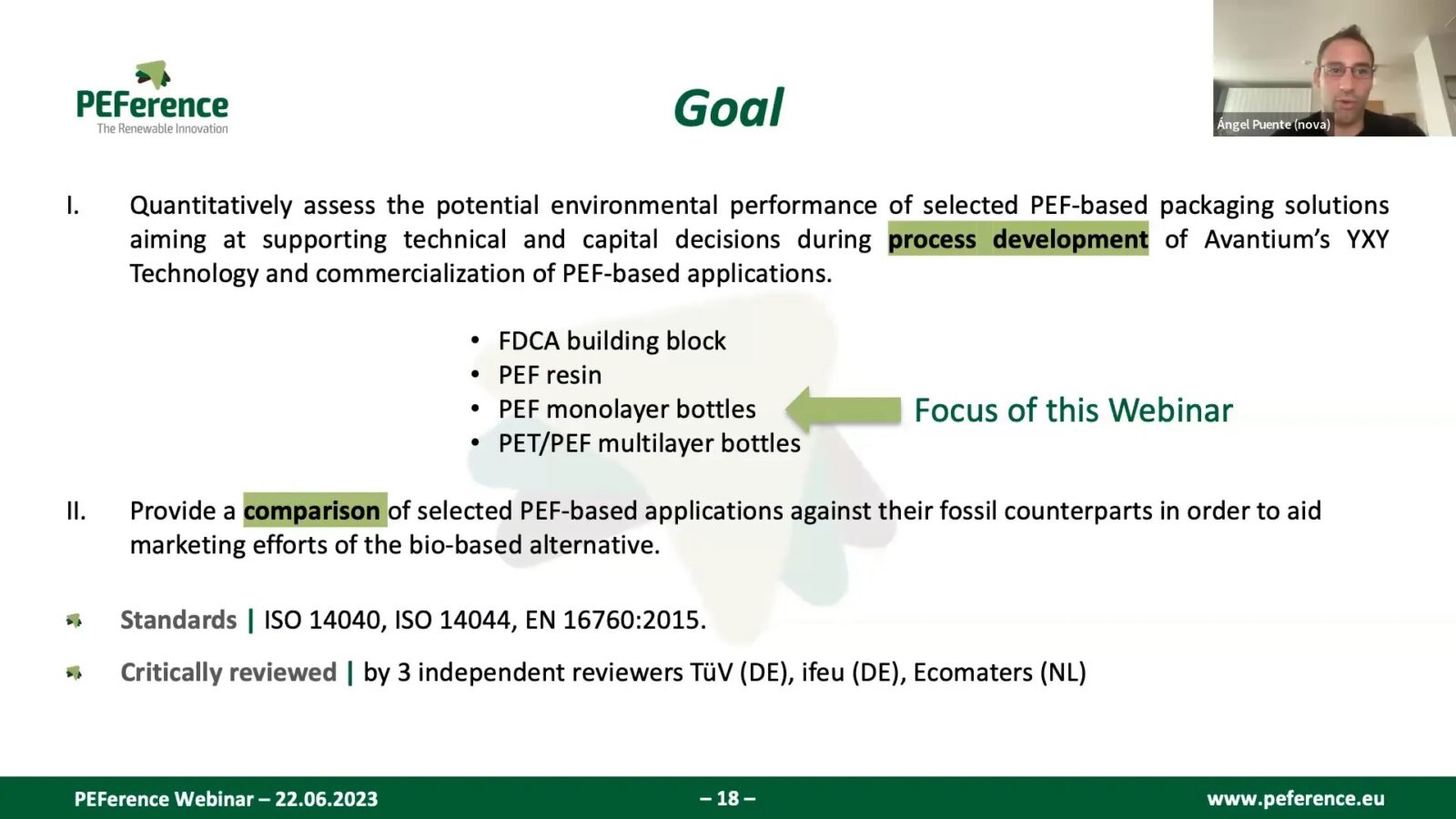
The LCA of PEF bottles is crucial in understanding their environmental impact throughout their life cycle. The assessment evaluates various stages, from the extraction of raw materials to production, use, and end-of-life scenarios. The goal of the LCA is to quantitatively assess the environmental performance of PEF compared to traditional PET bottles.
Conducted under ISO standards, the LCA considers multiple impact categories, including greenhouse gas emissions, resource depletion, and effects on human health and the environment. This comprehensive approach provides valuable insights into the sustainability of PEF bottles.
Key Findings from the LCA
The LCA reveals that PEF bottles can lead to a significant reduction in greenhouse gas emissions—approximately 61% less over their life cycle compared to PET bottles. This is a substantial finding, especially considering the established market presence of PET.
Moreover, PEF demonstrates a 34% reduction in the use of fossil resources. The primary contributors to these environmental benefits are the renewable carbon sources utilized in its production, which sequester carbon dioxide during the growth phase of the plants used as feedstock.
Environmental Benefits of PEF
One of the standout features of PEF is its ability to maintain high performance while being environmentally friendly. The material boasts superior barrier properties, which means it can keep carbonated beverages fresh for extended periods without requiring excessive material usage.
- Superior Barrier Properties: PEF has a ten times better oxygen barrier than PET, which is crucial for preserving the quality of sensitive products.
- Recyclability: PEF is fully recyclable and can be integrated into existing PET recycling streams, ensuring a circular lifecycle.
- Reduced Material Use: The improved mechanical properties of PEF allow for lightweight packaging solutions, minimizing resource consumption.
Challenges and Future Prospects
Despite its many advantages, PEF is still in the early stages of commercialization. The current production scale is limited, with ongoing efforts to scale up to industrial levels. Avantium is constructing a flagship plant capable of producing 5 kilotons of PEF per year, with plans for further expansion.
Future developments aim to incorporate second-generation feedstocks, which could further enhance the sustainability of PEF production. Additionally, ongoing research will explore other applications of PEF beyond packaging, potentially expanding its market reach.
Conclusion
The journey of PEF from plant-based sugars to a fully recyclable polymer represents a significant step towards sustainable materials in the packaging industry. The findings from the LCA highlight the environmental benefits of PEF, making it a viable alternative to traditional fossil-based plastics.
As Avantium continues to innovate and scale its production, the potential for PEF to contribute to a circular economy becomes increasingly promising. The transition to renewable carbon sources is not just beneficial for the environment; it also aligns with the growing consumer demand for sustainable products.
For more information on the PEFerence project and its initiatives, visit PEFerence – The Renewable Innovation.