
Circulaya
Published on: June 12, 2024
Discover the latest advancements in sustainable packaging through an insightful session hosted by Paul Jenkins, Managing Director of ThePackHub. This article explores key innovations in carbon reduction packaging, featuring expert insights from Dirk Endlich and Ali Siddiqui of Elopak. These industry leaders share how fiber-based packaging solutions and other innovations are driving significant environmental benefits across various sectors.
Watch the full video on ThePackHub YouTube channel: Carbon Reduction Packaging Innovations
Table of Contents
- About the Speaker
- Summary of Key Themes
- Unique Insights and New Information
- Applying the Knowledge
- Important Keywords
- Main Points Explored in the Webinar
- Frequently Asked Questions (FAQs)
- Summary and Final Thoughts
- Key Figures and Resources
About the Speaker
Paul Jenkins is the Managing Director of ThePackHub, a leading UK Packaging Innovation consultancy. With nearly a decade of experience curating packaging innovations worldwide, Paul offers an authoritative perspective on sustainable packaging trends and technologies. His expertise is complemented by insights from Dirk Endlich, Vice-President of Elopak’s P2C division, and Ali Siddiqui, Senior Key Account Manager at Elopak, who bring deep knowledge in fiber-based packaging and carbon reduction strategies.
Summary of Key Themes
- Exploration of carbon reduction innovations across packaging sectors including food, beverage, beauty, pet care, and pharmaceuticals.
- In-depth discussion on Elopak’s fiber-based DPAC cartons and their significant carbon footprint advantages over traditional plastic packaging.
- Real-world case studies demonstrating successful implementation of sustainable packaging solutions.
- Future outlook on packaging recyclability, cost implications, and regulatory trends.
Unique Insights and New Information
This session stands out by juxtaposing traditional lightweighting efforts—such as the Champagne Telmont bottle—with transformative carbon reduction solutions like Elopak’s DPAC fiber cartons that offer up to 78% lower carbon footprints. Unlike many discussions limited to concept or pilot phases, this webinar showcases wide-ranging, market-ready innovations impacting diverse industries. The video uniquely combines technical data, consumer insights, and practical implementation strategies, providing a holistic view of sustainable packaging evolution.
Applying the Knowledge
Brands, manufacturers, and sustainability professionals can leverage insights from this session to make informed packaging decisions that align with environmental goals and consumer expectations. Whether considering lightweight glass bottles, recyclable airless beauty bottles, or fiber-based cartons for home care products, the examples and data provide actionable guidance for reducing carbon footprints while maintaining product integrity and market appeal.
Important Keywords
Carbon reduction, sustainable packaging, lightweighting, fiber-based cartons, recyclability, plastic reduction, refillable packaging, bioplastics, circular economy, packaging innovation, Elopak, DPAC cartons, carbon footprint, home and personal care packaging.
Main Points Explored in the Webinar
1. Innovations Across Multiple Sectors Drive Carbon Reduction
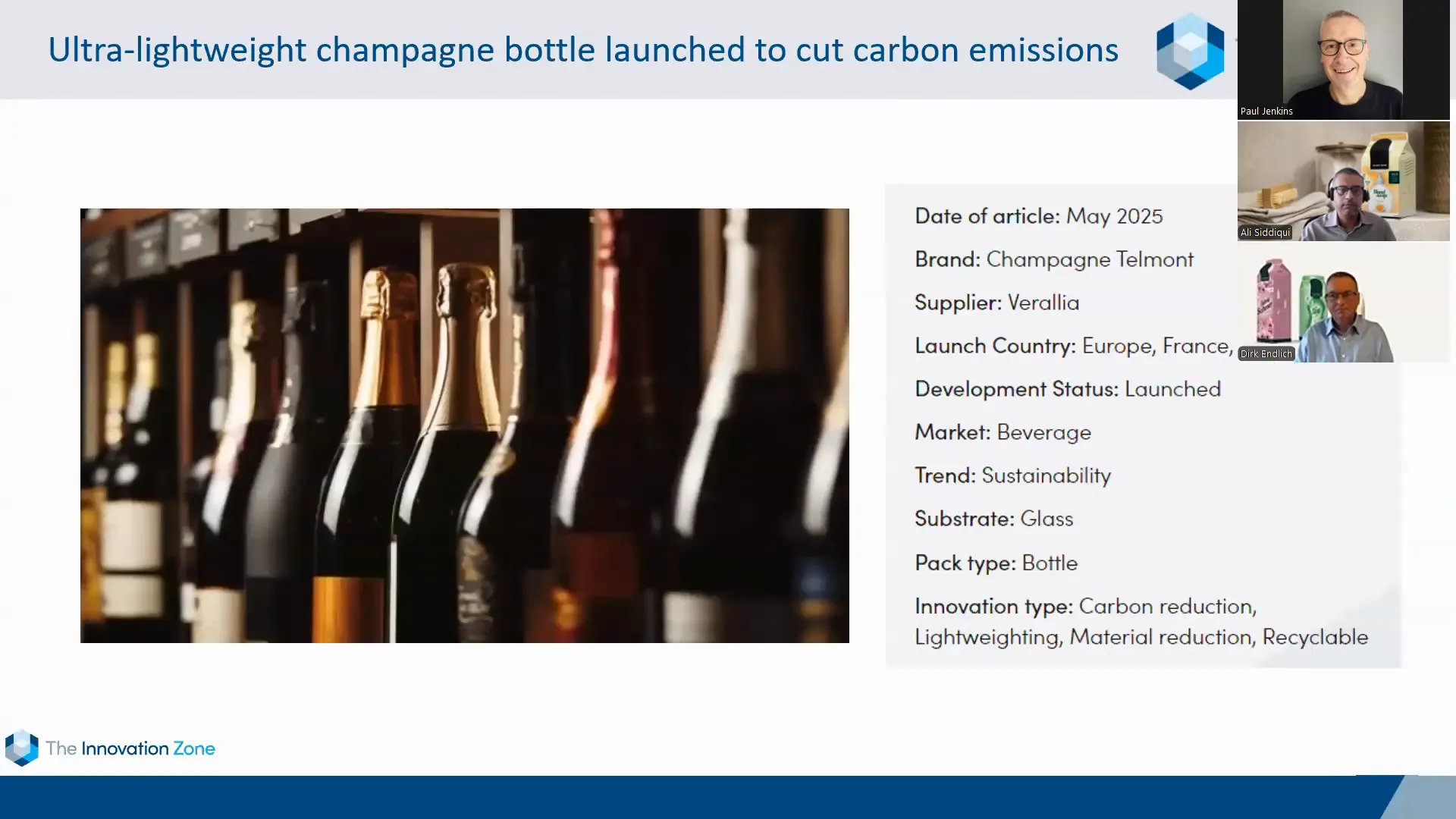
The webinar highlights a broad spectrum of packaging innovations targeting carbon reduction. For example, Champagne Telmont introduced the world’s first ultra-lightweight standard champagne bottle, reducing the bottle weight from 835 grams to 800 grams, cutting carbon emissions by 4% per bottle without compromising quality or pressure resistance. This innovation, debuting in the U.S. on Earth Day 2025, exemplifies lightweighting challenges in sectors where packaging weight is perceived as a quality indicator.
In the beauty sector, Abta Beauty and La Baratoire SVR launched recyclable airless bottles made from post-consumer recycled plastic designed to protect sensitive formulations while reducing CO2 emissions through in-house assembly. L’Oreal’s push for refillable packaging across its brand portfolio demonstrates a strategic approach to reduce packaging intensity and material impact by replacing traditional packaging with lower-footprint alternatives.

Pet care also sees innovation with Nestlé Purina Petcare’s recyclable canisters made entirely from mechanically recycled PET, expected to eliminate over 500 metric tons of virgin plastic annually, and reduce CO2 emissions by 694 metric tons.
2. Elopak’s Fiber-Based DPAC Cartons: A Game-Changer in Home and Personal Care Packaging
Dirk Endlich and Ali Siddiqui introduce Elopak’s DPAC cartons, emphasizing their low plastic content and high renewable fiber content. For instance, a one-liter DPAC carton contains only 8.9 grams of plastic—mostly in the lining, spout, and closure—compared to 70 grams in a typical HDPE bottle and 45 grams in a PET bottle. This represents an 80-90% reduction in plastic use.

Additionally, the square footprint of DPAC cartons enhances palletization and logistics efficiency, allowing more than twice the volume per truckload compared to HDPE bottles, and outperforming plastic pouches. This combination of reduced plastic and optimized logistics leads to a significantly lower carbon footprint.
Independent life cycle assessment by Anthesis revealed that DPAC cartons have a 78% lower carbon footprint than polypropylene bottles and 36% lower than plastic monolayer pouches, positioning DPAC cartons as a superior sustainable packaging solution.

3. Market Adoption and Consumer Acceptance
Though fiber-based cartons are less common in home and personal care categories, they have gained strong traction in Scandinavian markets, with brands offering a broad size range from 500 ml to 2 liters. Notable adopters include Unilever’s Persil and Comfort brands in the UK, and Ferrimax in Spain, demonstrating expanding acceptance and market availability.

Consumer studies indicate familiarity with carton packaging from milk and juice categories, with positive acceptance for personal care products. This opens opportunities for brands to differentiate their products and meet sustainability goals simultaneously.
4. Recyclability and Regulatory Trends
Elopak cartons are designed to be recyclable, with collection infrastructure already established in many regions. In the UK, 69% of local authorities collect cartons via household recycling, with another 25% offering bring banks. Upcoming legislation (Simpler Recycling) mandates carton collection by 2026, promising near-universal recycling access.
Recycling processes separate fiber from plastic and aluminum layers, repurposing fibers in new paper products and plastics and aluminum into new materials, achieving almost 100% recycling rates in countries like Germany.
5. Cost and Logistics Benefits of Carton Packaging
Cartons are delivered flat to production facilities, allowing roughly 20,000 units per pallet compared to 800 plastic bottles, drastically reducing transportation volume and costs. Post-filling, cartons also offer 50% more product volume per transport pallet than plastic bottles, lowering outbound logistics expenses.
Considering total cost of ownership (TCO), carton packaging often provides a financial advantage over plastic alternatives when factoring in logistics, recycling, and sustainability benefits.
6. Future Developments: Paper Closures and Enhanced Barriers
Elopak is actively developing paper-based closures for both food and personal care cartons to further reduce plastic use and carbon emissions. While only 5% of current SKUs require aluminum barriers, improvements in polyethylene barriers are expected to eliminate the need for aluminum in most cases without compromising shelf life.
7. Addressing Accessibility and Co-Packing
Accessibility is a recognized challenge in packaging design. Elopak tests closures extensively to ensure ease of use across age groups, including seniors and children. Isolated incidents of difficult openings are addressed individually.
For startups and small brands, Elopak offers co-packing solutions through qualified partners in Europe, enabling access to sustainable carton packaging without large-scale investment in filling equipment.
Frequently Asked Questions (FAQs)
- What are the key themes of the video?
The video explores carbon reduction innovations in packaging, focusing on lightweighting, plastic reduction, fiber-based cartons, recyclability, and market adoption across sectors. - What new information does this video provide compared to existing content?
It provides concrete data on carbon footprint reductions from DPAC cartons, real-world examples of adoption, and insights into the logistics and recyclability infrastructure supporting sustainable packaging. - What makes this video unique?
The integration of technical, consumer, and regulatory perspectives with detailed case studies across diverse industries offers a comprehensive and practical view of sustainable packaging innovation. - How can viewers apply the information shared?
Brands can evaluate the benefits of switching to fiber-based cartons or other innovations, understand cost and logistics implications, and prepare for evolving recycling regulations.
Summary and Final Thoughts
This comprehensive overview of carbon reduction packaging innovations underscores the importance of multi-sector collaboration and innovation to meet environmental challenges. From Champagne Telmont’s lightweight bottle to Elopak’s revolutionary DPAC cartons, the packaging industry is evolving rapidly towards more sustainable, recyclable, and lower-carbon solutions.
The main message is clear: sustainable packaging is not just a trend but a necessity, and fiber-based cartons represent a powerful tool for brands to significantly reduce their environmental impact while maintaining product quality and consumer appeal.
This video is essential viewing for packaging professionals, sustainability managers, brand owners, and anyone interested in the future of eco-friendly packaging solutions.
Key Figures and Resources
| Figure/Link | Description |
|---|---|
| Champagne Telmont Bottle | Ultra-lightweight champagne bottle reducing weight by 35g, cutting carbon emissions by 4% per bottle. (Timestamp: 03:02) |
| Elopak DPAC Carton Plastic Content | One-liter DPAC carton contains 8.9g plastic vs 70g in HDPE bottles, enabling 80-90% plastic reduction. (Timestamp: 21:04) |
| Carbon Footprint Comparison | DPAC cartons have 78% lower carbon footprint than polypropylene bottles and 36% lower than plastic pouches. (Timestamp: 26:08) |
| ThePackHub YouTube Channel | Official channel hosting the webinar and other packaging innovation content. |
| Dirk Endlich LinkedIn | Connect with Elopak’s VP for insights and queries about fiber-based packaging. |
Ready to dive deeper into carbon reduction packaging innovations? Watch the full video here: Carbon Reduction Packaging Innovations. Don’t forget to share your thoughts in the comments below and subscribe to our blog for more in-depth analyses like this!
This article was created from the video Carbon reduction packaging innovations with the help of AI.
Die Print4All kehrt vom 27. bis 30. Mai 2025 auf die Fiera Milano zurück und setzt damit neue Maßstäbe für die Druckindustrie. Als eine der bedeutendsten Messen Europas ist die Print4All weit mehr als nur eine Ausstellung. Sie ist ein Schaufenster für Innovationen, ein Forum für Wissenstransfer und vor allem eine einzigartige Gelegenheit zur Vernetzung innerhalb der gesamten Wertschöpfungskette der Druck- und Verpackungsbranche. In diesem Artikel geben wir Ihnen einen umfassenden Überblick über die Print4All, was Sie auf der Messe erwartet und warum sie für alle Akteure der Branche ein Muss ist.
Ein Treffpunkt für die gesamte Druck- und Verpackungsbranche
Die Print4All ist eine Messe, die gezielt Akteure entlang der gesamten Wertschöpfungskette zusammenbringt. Von Maschinenbauern über Markenartikler bis hin zu Druckereien – alle finden hier eine Plattform, um sich auszutauschen, zu vernetzen und gemeinsam die Zukunft der Branche zu gestalten. Der Fokus liegt auf Technologien und Lösungen rund um Verpackungen, Etiketten und Industriedruck. Diese Themen sind aktueller denn je, da Verpackungen zunehmend komplexer und innovativer werden müssen, um den Anforderungen von Nachhaltigkeit, Verbraucherschutz und Marketing gerecht zu werden.
Die Bedeutung der Print4All liegt nicht nur darin, neue Maschinen und Technologien zu präsentieren. Vielmehr ist sie ein Ort, an dem Innovationen greifbar gemacht werden – praxisnah, branchenübergreifend und international. Dieses Ziel wird durch ein umfangreiches Rahmenprogramm unterstützt, das Konferenzen, Workshops und Networking-Events umfasst.
Technologische Innovationen im Mittelpunkt
In der heutigen dynamischen Welt sind Innovationen der Schlüssel zum Erfolg – besonders in der Druck- und Verpackungsbranche. Die Print4All zeigt die neuesten Technologien, die Produktionseffizienz steigern, die Qualität verbessern und gleichzeitig nachhaltige Lösungen fördern. Besucher können sich auf modernste Maschinen für den Industriedruck freuen, die neue Maßstäbe in Sachen Geschwindigkeit, Präzision und Vielseitigkeit setzen.
Ein besonderer Schwerpunkt liegt auf dem Bereich Verpackungsetiketten. Diese sind weit mehr als nur Informationslieferanten: Sie sind ein wichtiges Marketinginstrument und zunehmend auch ein Mittel zur Kommunikation von Nachhaltigkeit und Produktsicherheit. Die Messe präsentiert innovative Drucktechniken, die Etiketten nicht nur optisch aufwerten, sondern auch funktionale Eigenschaften wie Haltbarkeit, Umweltfreundlichkeit und Fälschungssicherheit bieten.
Nachhaltigkeit als treibende Kraft
Nachhaltigkeit spielt eine immer größere Rolle in der Druck- und Verpackungsindustrie. Verbraucher achten vermehrt auf umweltfreundliche Verpackungen, und Unternehmen reagieren darauf mit innovativen Lösungen. Auf der Print4All werden nachhaltige Materialien, ressourcenschonende Druckverfahren und Recyclingkonzepte vorgestellt, die helfen, den ökologischen Fußabdruck zu reduzieren. Die Messe bietet somit auch eine Plattform, um den Dialog über nachhaltige Praktiken zu fördern und gemeinsam zukunftsweisende Wege zu beschreiten.
Das Rahmenprogramm: Wissen, Austausch und Networking
Die Print4All ist weit mehr als nur eine reine Ausstellung. Das umfangreiche Rahmenprogramm macht die Messe zu einem lebendigen Treffpunkt für Experten und Interessierte. Konferenzen bieten tiefgehende Einblicke in aktuelle Trends, technologische Entwicklungen und Marktentwicklungen. Hier können Teilnehmer neues Wissen erwerben und sich mit führenden Köpfen der Branche austauschen.
Workshops ergänzen das Angebot durch praxisnahe Schulungen und Demonstrationen. Diese interaktiven Formate ermöglichen es den Teilnehmern, die vorgestellten Technologien direkt zu erleben und praktische Fertigkeiten zu erlernen. So werden Innovationen nicht nur theoretisch vermittelt, sondern unmittelbar anwendbar gemacht.
Networking-Events runden das Programm ab und schaffen Raum für persönliche Begegnungen und den Aufbau wertvoller Geschäftskontakte. Gerade in einer Branche, die auf Zusammenarbeit und Partnerschaften angewiesen ist, sind solche Gelegenheiten von unschätzbarem Wert. Die Print4All fördert damit den branchenübergreifenden Dialog und stärkt die internationale Vernetzung.
Warum Sie die Print4All 2025 besuchen sollten
Die Print4All in Mailand ist die ideale Plattform für alle, die in der Druck- und Verpackungsbranche tätig sind oder sich für diese Branche interessieren. Die Messe bietet:
- Ein umfassendes Angebot: Von modernsten Maschinen über innovative Materialien bis hin zu digitalen Lösungen – die gesamte Bandbreite der Branche ist vertreten.
- Innovationen zum Anfassen: Die neuesten Technologien werden praxisnah präsentiert und können direkt erlebt werden.
- Wissenstransfer: Konferenzen und Workshops bieten wertvolle Einblicke und Weiterbildungsmöglichkeiten.
- Networking auf höchstem Niveau: Treffen Sie Entscheider, Experten und Partner aus aller Welt und knüpfen Sie nachhaltige Kontakte.
- Nachhaltigkeit im Fokus: Erfahren Sie mehr über umweltfreundliche Lösungen und wie Sie Ihr Unternehmen zukunftsfähig aufstellen können.
Die Messe findet auf der Fiera Milano statt, einem der modernsten Messegelände Europas, das ideale Voraussetzungen für eine erfolgreiche Veranstaltung bietet. Die Kombination aus traditioneller Stärke und innovativem Geist macht die Print4All zu einem unverzichtbaren Event für die Branche.
Fazit: Print4All – Ein Muss für die Druck- und Verpackungsbranche
Der Countdown läuft – vom 27. bis 30. Mai 2025 öffnet die Print4All in Mailand wieder ihre Tore und lädt alle Akteure der Druck- und Verpackungsbranche ein, die Zukunft mitzugestalten. Die Messe ist weit mehr als eine reine Ausstellung: Sie ist ein lebendiger Treffpunkt, an dem Innovationen greifbar werden, Wissen ausgetauscht wird und internationale Vernetzung gelebt wird.
Ob Maschinenbauer, Markenartikler oder Druckerei – die Print4All bietet für jeden spannende Impulse und wertvolle Chancen. Der Fokus auf Verpackungsetiketten und Industriedruck spiegelt die aktuellen Herausforderungen und Trends der Branche wider. Gleichzeitig macht das umfassende Rahmenprogramm die Messe zu einem Ort der Weiterbildung und des persönlichen Austauschs.
Wer die Zukunft der Druck- und Verpackungsindustrie aktiv mitgestalten möchte, sollte sich dieses Event nicht entgehen lassen. Wir sehen uns in Mailand!
Editor’s choice:
| Company name, country | Xampla ltd., UK |
| EU project | n.a. |
| Rawmaterial/basis | Plant-based polymers |
| Brandname | Morro |
| Biobased | YES |
| Fossil based free | YES |
| Application | Coatings, edible films, soluble films, microcapsules for food/cosmetics Sustainability screening: biodegradable, home compostable, recyclable |
| Patent | YES |
| What is unique abaout it? | World’s first plastic-free materials that are completely biodegradable, home compostable and recyclable. Made from natural plant polymers. |
What is the status of the product? | Comercially available products |
Published on: April 24, 2025, Channel: ThePackHub
Speaker: Sam Walker
Sam Walker is the Head of Business Development and Sales at Xampla, a pioneering company focused on sustainable packaging solutions. With over ten years of experience in the field, Sam has been instrumental in driving innovation in materials that replace conventional plastics with plant-based alternatives.
Summary
This webinar dives deep into the complexities of plastic-free packaging, highlighting the importance of avoiding greenwashing, staying ahead of legislation, and overcoming barriers to adopting new materials. With insights from industry experts Sam Walker and Mark Rodriguez Garcia, the session provides practical advice for companies looking to navigate the evolving landscape of sustainable packaging.
FAQs Addressed in the Video
- What are the key themes of the video?
- What new information does this video provide compared to existing content on the topic?
- What makes this video unique or what perspective does it offer?
- How can viewers apply the information shared in the video?
Main Takeaways from the Webinar
Point One: Understanding Plastic-Free Definitions
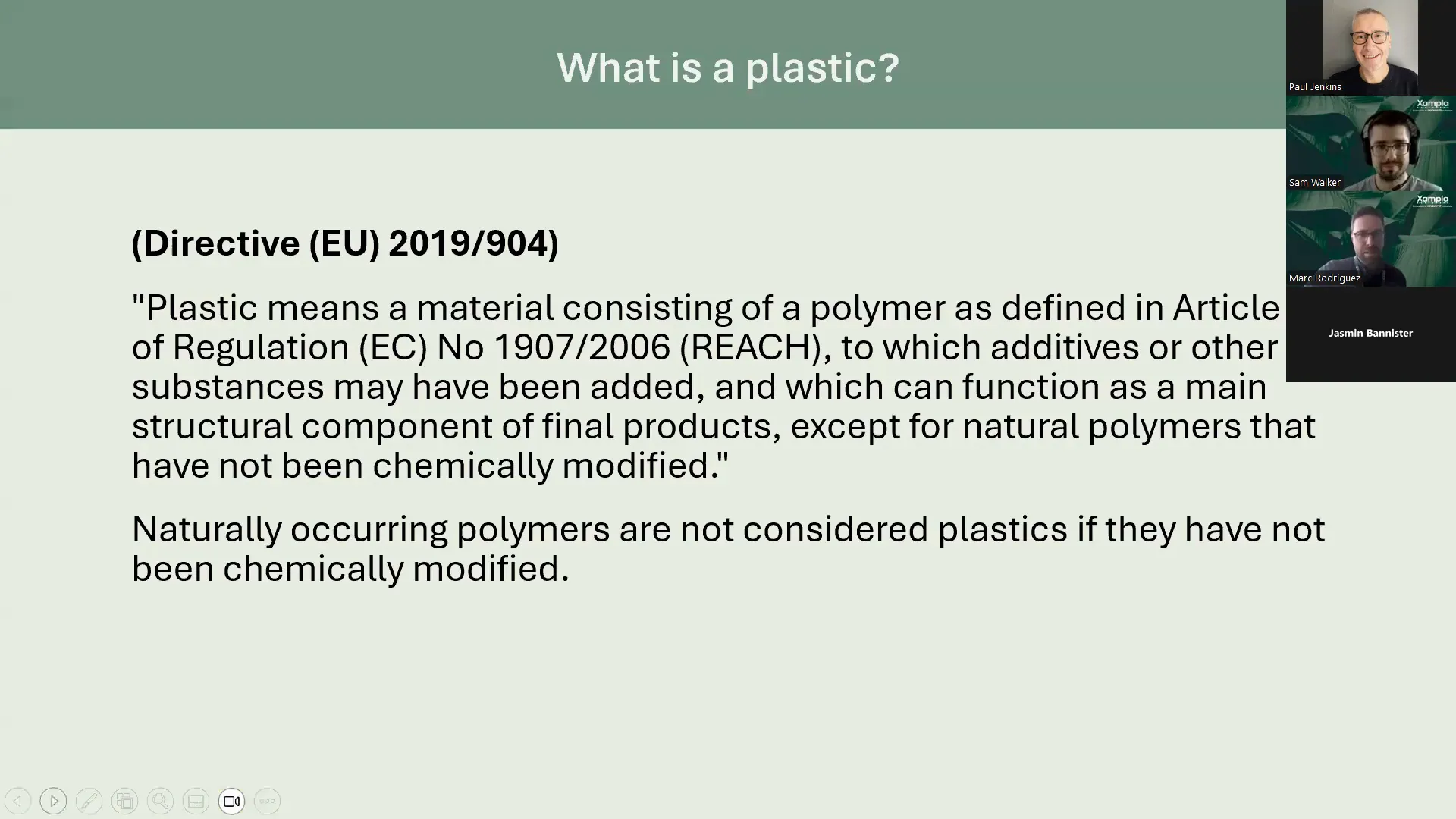
Mark Rodriguez emphasized the challenge of defining what constitutes plastic. According to the European Commission’s Single Use Plastics Directive, any polymer that has been chemically modified is considered plastic. This definition plays a crucial role in identifying suitable alternatives for packaging.
Point Two: The Impact of Consumer Pressure
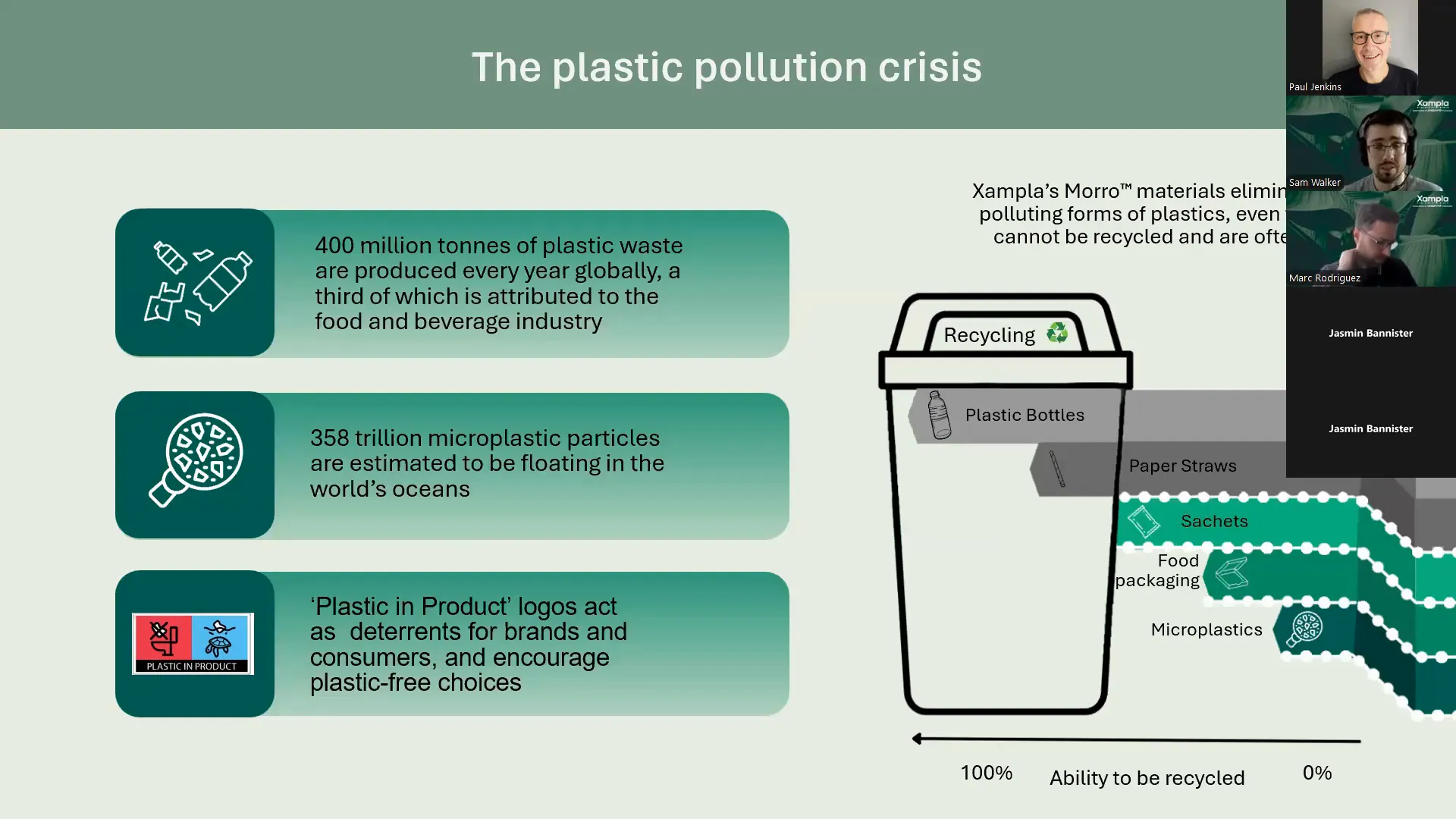
Consumer awareness has dramatically increased, especially regarding microplastics and their environmental impact. This has led to a surge in legislation aimed at curbing plastic usage. The public’s concern is evident, with a recent study indicating that 58% of respondents are most worried about microplastics, compared to just 12% about landfill issues.
Point Three: The Role of Transparency and Innovation
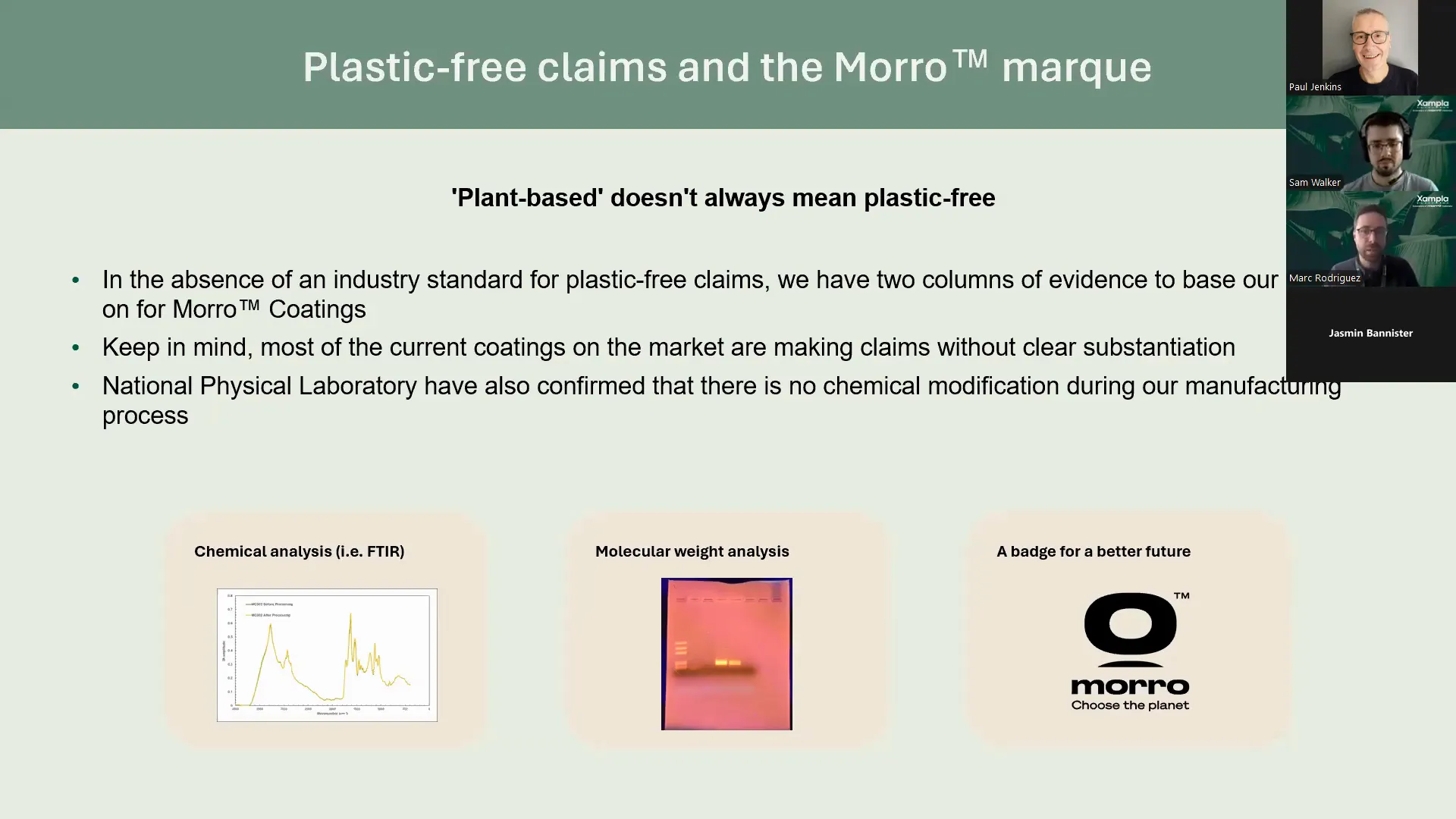
Both speakers highlighted the need for transparency in claims made by companies regarding their packaging. As the industry sees a rise in greenwashing, it’s vital for brands to substantiate their claims with validated data. Zampla’s Moro coating exemplifies a commitment to transparency, using natural polymers that have not been chemically modified.
Key Insights Recap
The video emphasizes the importance of credible claims in the plastic-free packaging sector and offers actionable steps for brands to stay compliant with evolving regulations. With rising consumer awareness and legislative pressures, companies must innovate responsibly to meet the demand for sustainable solutions.
Who Should Watch This Video?
This video is ideal for packaging technologists, sustainability professionals, and brand managers looking to enhance their understanding of plastic-free materials and navigate the complexities of sustainable packaging.
Final Note
Zampla – Learn more about their sustainable packaging solutions.
Ready to dive deeper into sustainable packaging? Watch the full video here: ThePackHub. Don’t forget to share your thoughts in the comments below and subscribe to our blog for more in-depth analyses like this!
This article was created from the video How To Future Proof Your Plastic-Free Packaging with the help of AI.